The practical answer
A B2B website converts when the right visitor quickly understands the offer, can verify enough trust to continue, reaches a CTA that matches their intent and enters a follow-up system that preserves context. Search visibility and conversion should be designed as one acquisition loop, not separate projects.
The operating question
A high-performing website begins before visual design: who needs to understand what, what proof reduces uncertainty, which page matches their intent, and what operational system takes over after a form submission.
Positioning should reduce interpretation effort
The right visitor should be able to identify the category, the important capability or outcome, and the buyer context without reverse-engineering the copy. Visual design then strengthens that understanding instead of competing with it.
Different intent deserves different pages
A buyer evaluating AI-agent development has a different question from someone looking for CRM automation, dashboard development or a website rebuild. Dedicated service and solution pages let each intent receive specific language, scope, operating examples and a relevant next action.
Google's current generative-search guidance continues to emphasize normal SEO fundamentals, clear crawlability and unique non-commodity content rather than special GEO markup. That reinforces the same architecture: useful pages for real intent, strong internal links and original material worth citing.
Trust is an operating signal
A buyer often uses the website as a proxy for operational maturity before speaking to anyone. Broken states, vague claims and unclear next steps work against the offer even when the underlying capability is strong.
Specific language instead of inflated claims.
Clear contact and company identity.
Fast, stable mobile behaviour.
Readable process and expectations.
Forms that explain what happens after submission.
Representative work clearly labeled when it is not a client case study.
Conversion continues after the form
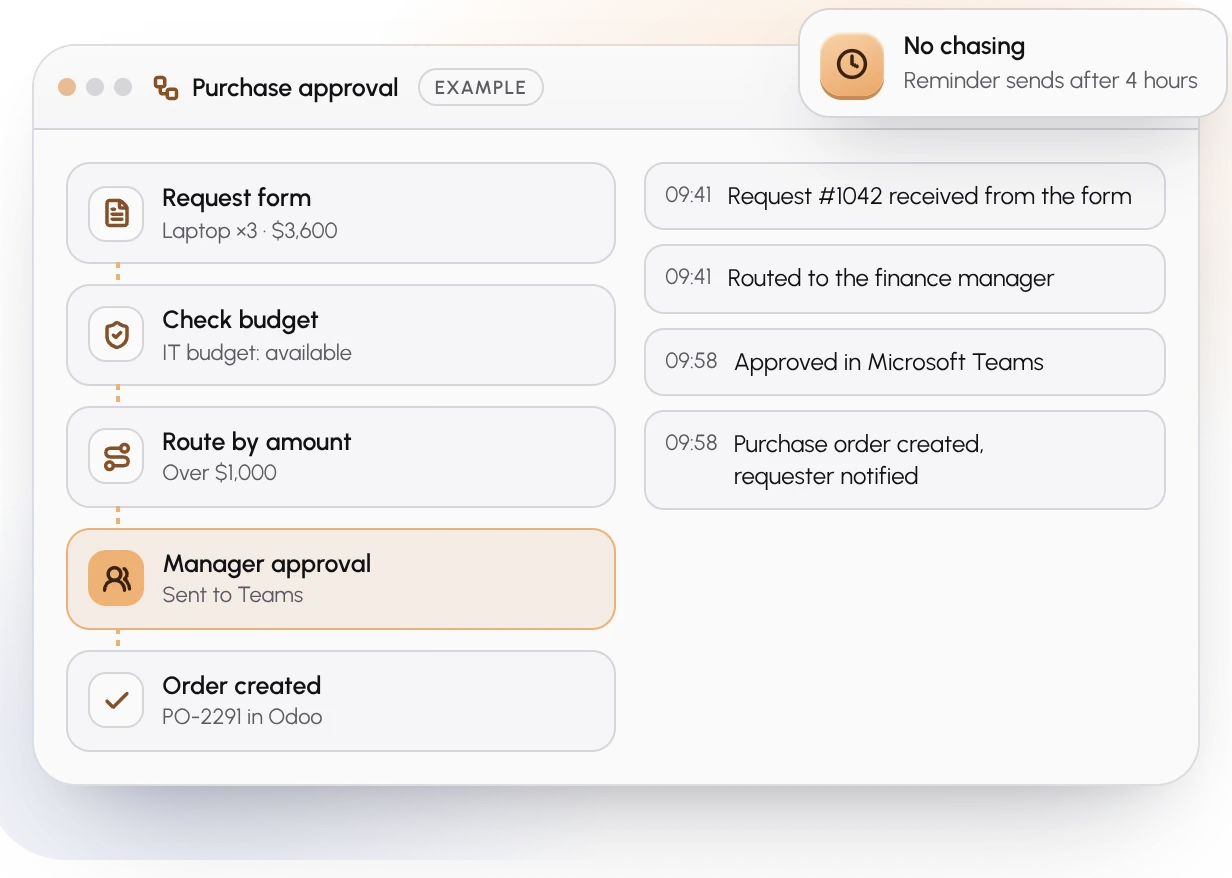
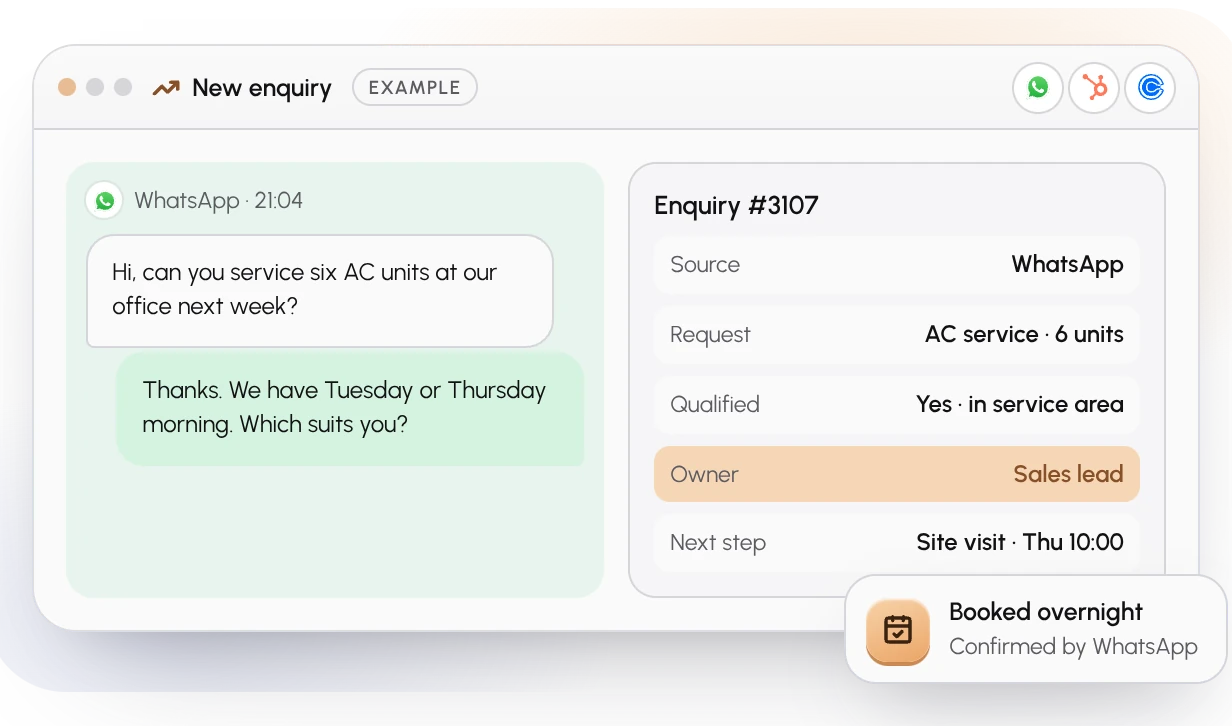
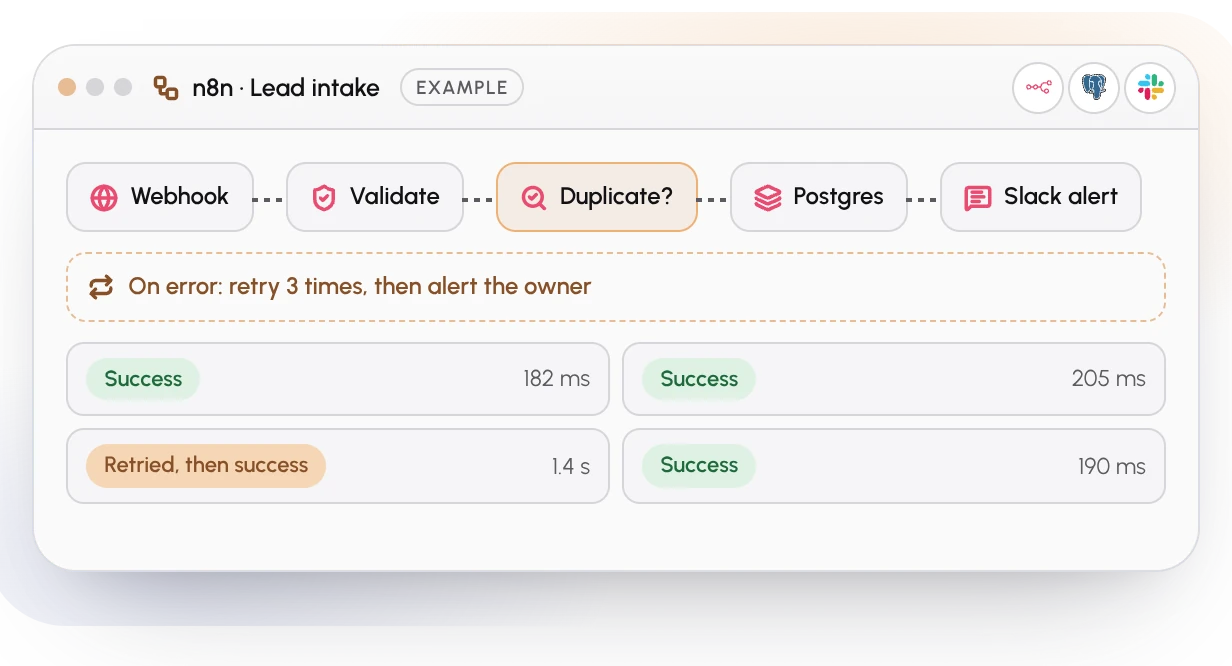
Source, service interest, business problem and campaign context should reach the CRM so the first response can be relevant. The website, form, CRM, response SLA and follow-up sequence are one commercial system.
Original research creates the durable discovery layer
Google's 2026 guidance explicitly favors valuable, non-commodity material and warns against scaled pages created mainly to target endless query variations. For a technology services company, the strongest publishing loop is to turn real implementation decisions, failure modes, audits, comparisons and measured experiments into public research that supports the buyer journey.