
The practical answer
Buy when the workflow is commodity and a mature product fits with little friction. Integrate when the tools are good but the handoffs are bad. Build when the workflow itself differentiates customer experience, revenue, risk control or the product you intend to sell.
The operating question
The decision is not 'subscription versus development cost'. The useful comparison is the total operating cost of the workflow: licences, workarounds, manual coordination, integration burden, errors, switching constraints and the value of owning a differentiated capability.
Use SaaS when the workflow is commodity
Payroll, standard accounting, basic scheduling and many common functions benefit from mature products with years of edge-case handling. Rebuilding a well-solved commodity capability usually creates risk without strategic advantage.
Integrate before you rebuild
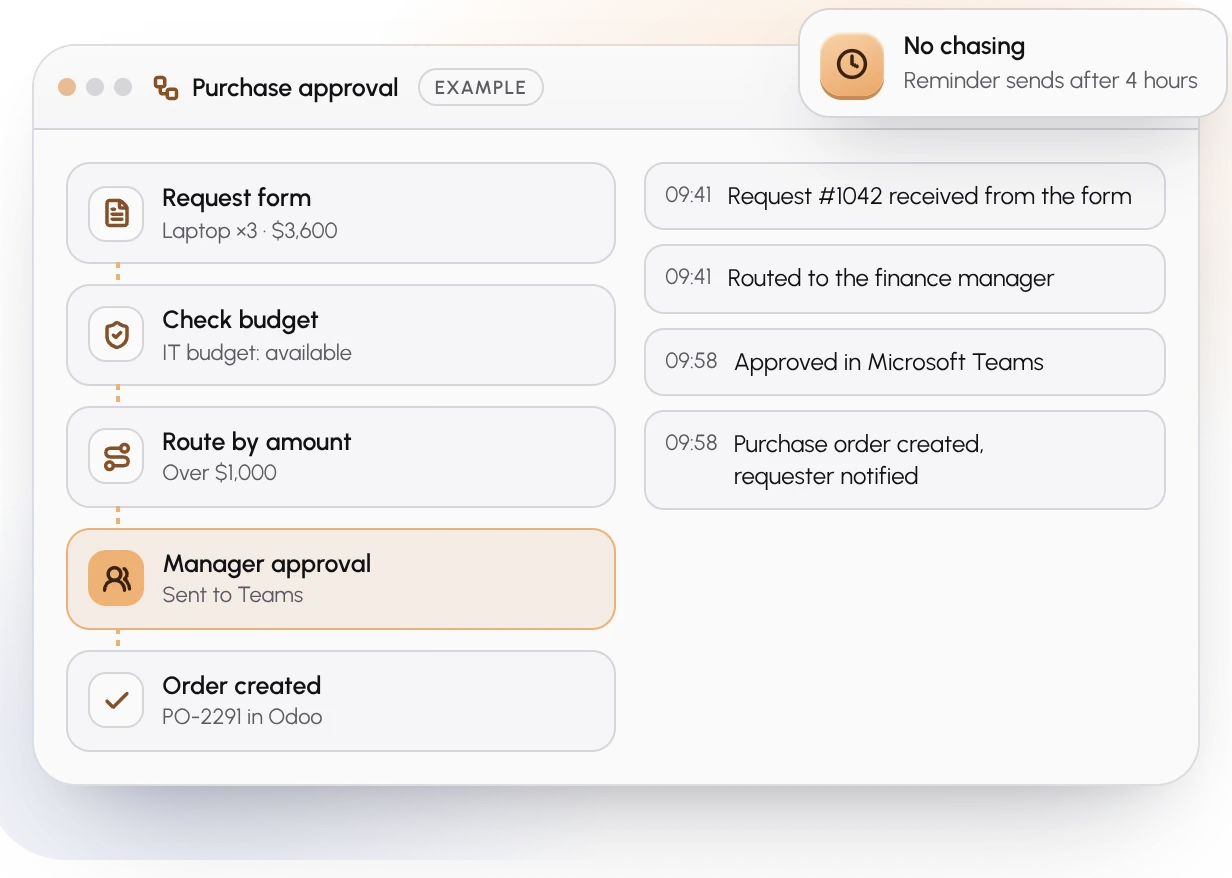
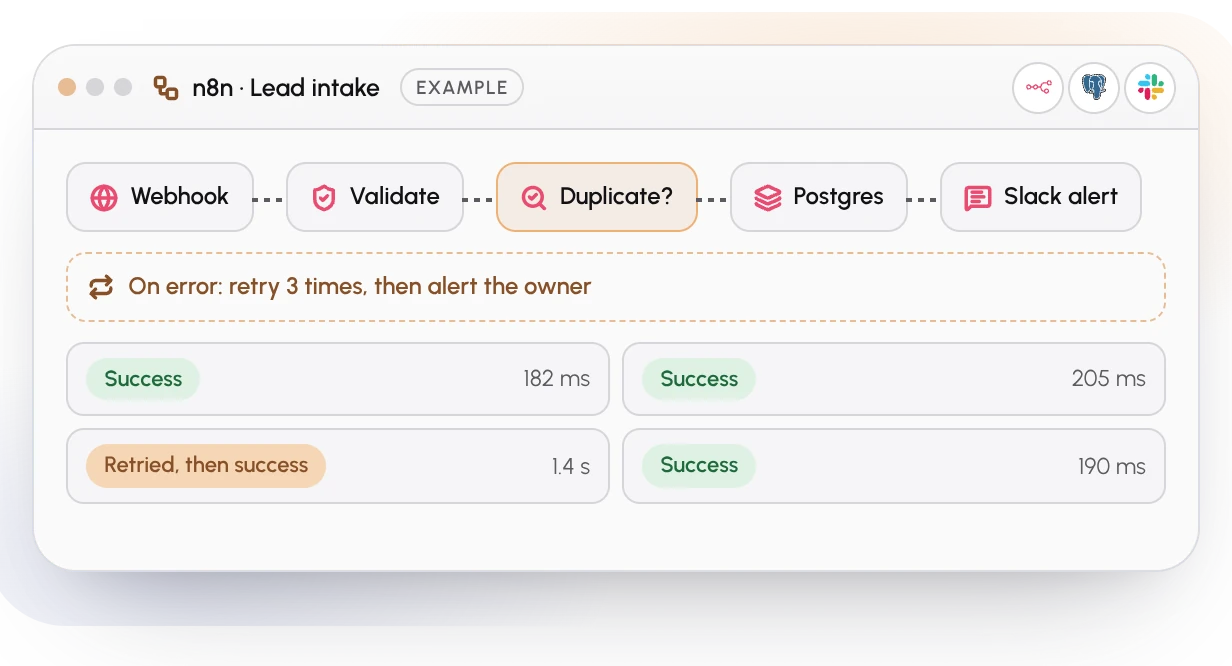
A CRM, website, finance platform and operations system may each work well while the team spends hours moving information between them. In that case, an integration layer can capture much of the value of custom software without replacing systems that already perform their core job well.
Build when the workflow is strategic
The more the workflow differentiates how the company serves customers, controls risk or makes money, the stronger the case for owning more of the software layer.
The workflow directly affects customer experience or revenue.
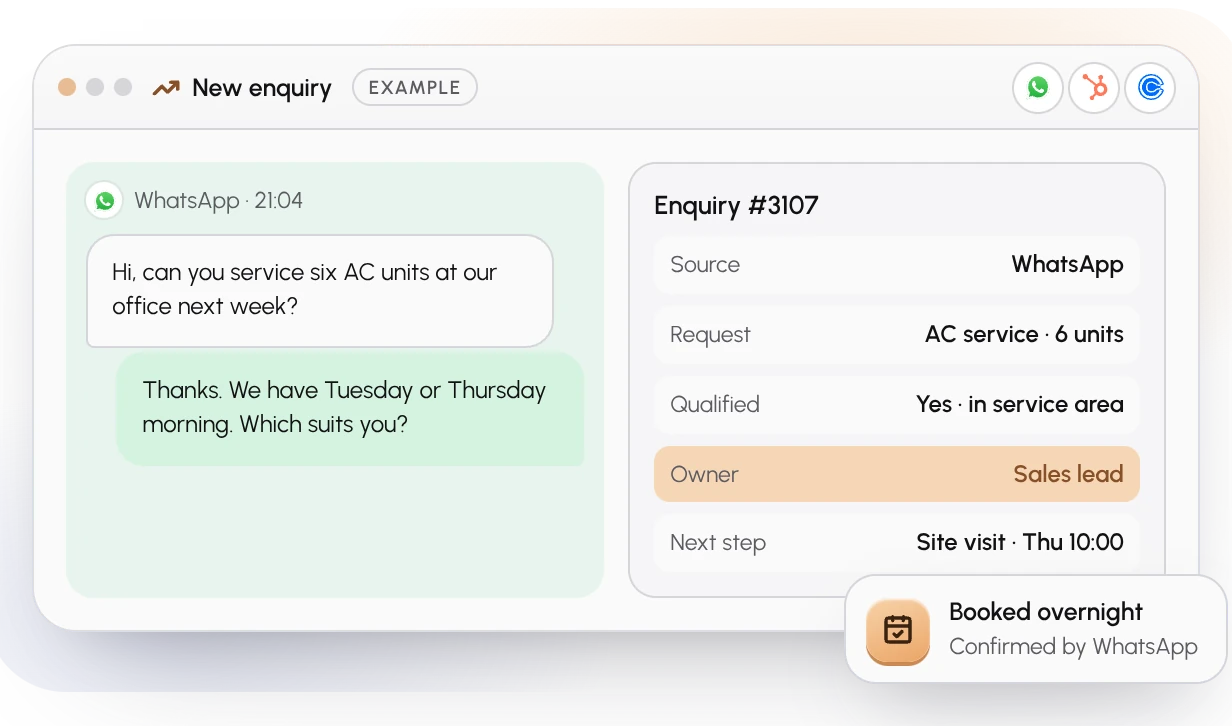
Teams rely on spreadsheets or chat messages to bridge critical system gaps.
Permissions, states, approvals or reporting are unique to the operation.
The business wants to productize an internal capability.
Off-the-shelf software forces so many workarounds that the process is harder to operate than to own.
Compare total operating cost, not list price
A small monthly subscription can be expensive if several people spend hours every week compensating for its limitations. A custom platform can be equally wasteful when a standard product already solves the problem reliably. Put manual time, errors, missed handoffs, maintenance and switching cost in the same decision model.
The first custom release should own the critical loop
A strong first release owns the workflow that creates the differentiated value, connects to systems that are already good enough, and measures whether the new operating model changes user behaviour or business performance.